Safer Bathrooms For Aging In Place: Easy Upgrades
Discover practical bathroom upgrades designed to enhance daily safety and comfort for seniors choosing to age in place.
Author:Dr. Bill ButcherFeb 07, 20262.3K Shares153.9K Views
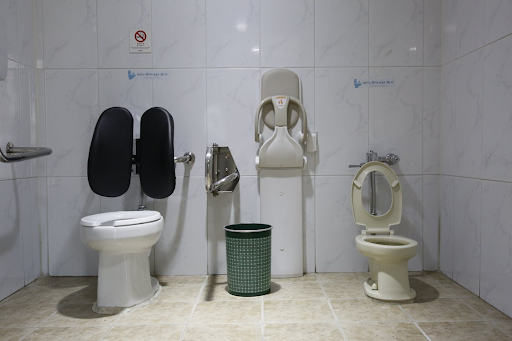
Making Daily Routines Safer: Bathroom Upgrades For Aging In Place
As we age, simple daily routines like bathing can become more challenging and risky. Upgrading bathrooms with safety-focused features is essential for seniors who wish to age in place comfortably and independently. From walk-in tubs to non-slip flooring and grab bars, these modifications reduce the risk of falls and promote autonomy. Discover the best senior bath upgrades that make daily hygiene routines safer while ensuring comfort and dignity for aging adults.
Enhancing Safety With Walk-in Tubs And Showers
One of the most effective upgrades for aging in place is installing a safer bathing area. Replacing a standard tub with a walk-in model designed for senior bathconvenience can greatly reduce slipping risks. Walk-in tubs and zero-threshold showers allow older adults to enter and exit safely. Add slip-resistant flooring and integrated seating to make daily routines manageable and secure for seniors at all mobility levels.
Walk-in Tubs With Built-in Handrails
These tubs come with integrated rails that offer added stability. Seniors can use the rails to lower and lift themselves with confidence. Warm-water soaks foster relaxation while maintaining safety.
Zero-threshold Showers For Wheelchair Access
Low or no-entry showers support seamless access for walkers or wheelchairs. These designs remove barriers and promote independence. Safety grab bars positioned at multiple heights encourage balanced movement.
Improving Visibility With Better Lighting Solutions
Proper lighting plays a major role in preventing bathroom accidents. As people age, their vision may decline, making shadows dangerous. Install bright, diffused lighting at entry points, vanity areas, and inside showers. Use bulbs with daylight color temperatures to mimic natural light. Consider motion-sensor lighting that activates automatically to support nighttime bathroom visits without fumbling for switches.
Illuminated Mirrors And LED Fixtures
Illuminated mirrors reduce eye strain and enhance contrast when grooming. LED light strips under cabinets or inside toe-kicks can softly guide elderly users at night without disturbing sleep.
Upgrading Flooring To Prevent Slips And Falls
Slippery floors in bathrooms are a frequent cause of injury for seniors. Replace smooth tiles with textured, slip-resistant alternatives. Choose vinyl or rubber flooring options designed for wet environments. These materials provide better traction underfoot, even when wet. Add anti-fatigue edge mats near vanities to cushion prolonged standing and prevent foot strain.
Floor-Level Drains And Seamless Designs
A seamless floor plan with floor-level drains reduces the risk of water pooling. Avoid thresholds that create tripping hazards, and opt for flush transitions between rooms.
Adding Support With Grab Bars And Seating
Supportive fixtures like grab bars greatly increase bathroom safety for seniors. Install them near toilets, within showers, and along walls. Use stainless steel or textured finishes for a secure grip. Wall-mounted shower seats or foldable benches give older adults the option to sit while bathing. This promotes control, comfort, and energy conservation during daily hygiene routines.
Adjustable Height Fixtures
To accommodate various mobility needs, consider adjustable shower heads or raise toilet heights. This can ease the strain of bending or reaching. These changes preserve autonomy and reduce injury risk.
Ensuring Consistent Temperature And Water Control
Elderly skin is more sensitive to temperature changes. Scalds from sudden hot water surges are common in unsafe bathrooms. Install thermostatic mixing valves to regulate water temperature precisely. Lever-style faucets are easier to operate for those with grip weakness or arthritis. Anti-scald devices and clearly marked hot–cold indicators make temperature management foolproof and reduce confusion.
Touchless Faucet And Dispenser Options
Touchless features limit physical effort and minimize bacteria transfer. Automatic soap dispensers and motion-activated taps simplify handwashing while maintaining hygiene. These innovations enhance comfort and user safety daily.
What Are The Safest Shower Options For Older Adults?
Walk-in showers with low or no thresholds are the safest options for seniors. They reduce the risk of tripping and can be paired with non-slip flooring. Adding a handheld showerhead and built-in seating also improves comfort and accessibility during bathing for older individuals.
How Can Grab Bars Enhance Bathroom Safety?
Grab bars provide critical support for older adults when entering or exiting the shower or tub and moving around the bathroom. They help reduce falls and offer users more confidence in their movements. Installing them near toilets and bathing areas improves stability and safety significantly.
Which Features Make A Bathtub Senior-friendly?
Senior-friendly bathtubs typically include walk-in doors, anti-slip flooring, built-in seating, and strategically placed grab bars. Some models also offer hydrotherapy options to ease joint pain. These features promote independence while significantly reducing accident risks during bath time for aging individuals.
Why Is Lighting Important In Aging-in-place Bathrooms?
Proper lighting helps seniors navigate the bathroom safely by improving visibility, especially at night. Motion-sensor lights or illuminated switches are ideal for minimizing disorientation. Bright, even lighting reduces shadows and supports depth perception, which is crucial for avoiding slips and falls.
Jump to
Making Daily Routines Safer: Bathroom Upgrades For Aging In Place
Enhancing Safety With Walk-in Tubs And Showers
Improving Visibility With Better Lighting Solutions
Upgrading Flooring To Prevent Slips And Falls
Adding Support With Grab Bars And Seating
Ensuring Consistent Temperature And Water Control
What Are The Safest Shower Options For Older Adults?
How Can Grab Bars Enhance Bathroom Safety?
Which Features Make A Bathtub Senior-friendly?
Why Is Lighting Important In Aging-in-place Bathrooms?

Dr. Bill Butcher
Author
With more than two decades of experience, Dr. Bill Butcher aims to provide a repository for educational materials, sources of information, details of forthcoming events, and original articles related to the medical field and about health subjects that matter to you. His goal is to help make your life better, to help you find your way when faced with healthcare decisions, and to help you feel better about your health and that of your family.
Bill received his medical degree at Boston University School of Medicine and spent his entire career helping people find the health and medical information, support, and services they need. His mission is to help millions of people feel fantastic by restoring them to optimal health.
Latest Articles
Popular Articles